How HDR Imagery Enhances Travel Photography Experience

Travel photography is not just about capturing moments; it's about telling stories through images that evoke emotions and memories. With the advancement of technology, photographers now have access to tools that can significantly enhance their work. One such tool is High Dynamic Range (HDR) imaging. This blog post explores how HDR imagery can elevate your travel photography experience, making your images more vibrant, detailed, and impactful.
Understanding HDR Imagery
HDR imaging is a technique that allows photographers to capture a broader range of light and color than traditional photography. By combining multiple exposures of the same scene, HDR creates images that reflect the full spectrum of light, from the darkest shadows to the brightest highlights. This technique is particularly useful in travel photography, where lighting conditions can vary dramatically.
The Basics of HDR Photography
To create an HDR image, you typically take three or more photographs of the same scene at different exposure levels:
Underexposed: Captures details in the bright areas.
Correctly exposed: Represents the scene as it appears to the naked eye.
Overexposed: Captures details in the dark areas.
These images are then merged using software to produce a single image that showcases the full dynamic range of the scene.
Why Use HDR in Travel Photography?
Enhanced Detail and Color
One of the most significant advantages of HDR photography is the ability to capture intricate details and vibrant colors. Traditional photography can struggle with high-contrast scenes, often resulting in lost details in shadows or highlights. HDR addresses this issue by blending exposures, ensuring that every detail is visible.
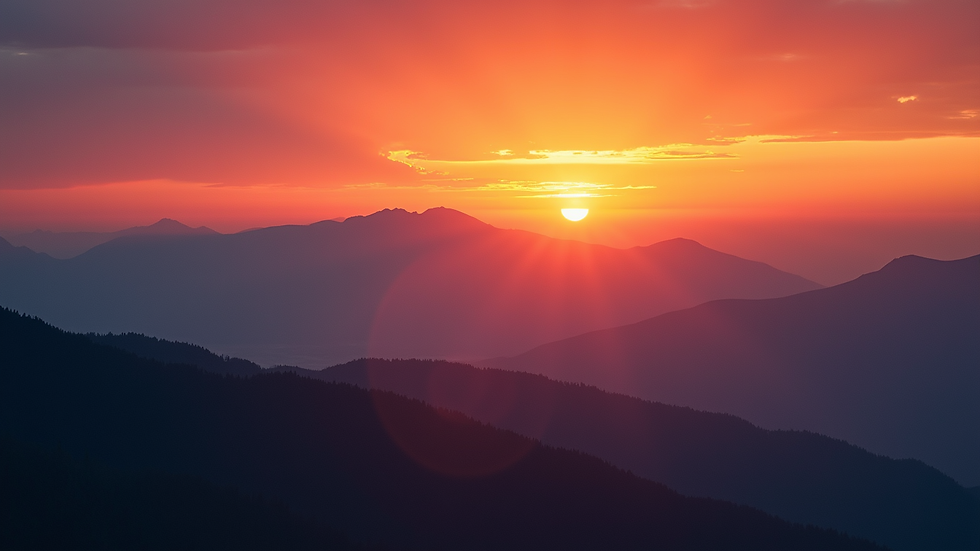
For instance, imagine photographing a stunning sunset over a mountain range. Without HDR, the bright sky may wash out the colors of the landscape below. With HDR, you can capture the rich hues of the sunset while still preserving the details of the mountains.
Improved Depth and Dimension
HDR imagery adds depth and dimension to photographs, making them more engaging. The technique enhances textures and contrasts, allowing viewers to feel as if they are part of the scene. This is particularly beneficial in travel photography, where the goal is to transport the viewer to the location.
Consider a photograph of a bustling market. An HDR image can highlight the vibrant colors of the stalls, the intricate patterns of textiles, and the expressions of people, creating a more immersive experience.
Versatility in Various Lighting Conditions
Travel photographers often find themselves in challenging lighting situations, from bright midday sun to dimly lit interiors. HDR photography provides versatility in these conditions, allowing photographers to capture stunning images regardless of the environment.
For example, when photographing a cathedral's interior, the bright stained glass windows may create harsh contrasts with the darker areas. HDR can balance these extremes, resulting in a beautifully lit image that showcases both the windows and the intricate details of the architecture.
Practical Tips for Capturing HDR Images
Use a Tripod
To achieve the best results in HDR photography, stability is crucial. A tripod ensures that your camera remains in the same position for each exposure, preventing misalignment and ghosting in the final image.
Shoot in RAW Format
Capturing images in RAW format provides greater flexibility in post-processing. RAW files retain more data than JPEGs, allowing for better adjustments in exposure, contrast, and color during editing.
Experiment with Exposure Bracketing
Most modern cameras have an exposure bracketing feature that automatically takes multiple shots at different exposures. This feature simplifies the process of capturing HDR images, allowing you to focus on composition and creativity.
Post-Processing Techniques
After capturing your images, use HDR software or editing tools to merge your exposures. Popular software options include Adobe Lightroom, Photomatix, and Aurora HDR. Experiment with different settings to find the right balance for your images.
Common Misconceptions About HDR Photography
HDR is Only for Landscapes
While HDR is often associated with landscapes, it can be applied to various subjects, including architecture, street photography, and even portraits. The key is to use HDR to enhance the scene without overdoing it.
HDR Always Looks Unrealistic
When done correctly, HDR photography should enhance the natural beauty of a scene, not distort it. The goal is to create images that are true to life while showcasing the full range of light and color.
HDR Requires Expensive Equipment
While high-end cameras can enhance HDR photography, you don't need the latest gear to achieve great results. Many smartphones now offer HDR capabilities, making it accessible for all photographers.
The Impact of HDR on Travel Photography
Creating Memorable Experiences
Travel photography is about capturing moments that resonate with viewers. HDR imagery enhances these moments, making them more memorable and impactful. A well-executed HDR photograph can evoke feelings of wanderlust and inspire others to explore new destinations.
Sharing Stories Through Images
Every travel photograph tells a story. HDR imagery allows photographers to convey the essence of a location, from its vibrant culture to its stunning landscapes. By using HDR, you can share your travel experiences in a way that resonates with your audience.
Inspiring Others to Travel
Stunning HDR images can inspire others to embark on their adventures. When people see captivating photographs, they are more likely to seek out those experiences for themselves. Your HDR images can serve as a gateway to new journeys for others.
Conclusion
Incorporating HDR imagery into your travel photography can significantly enhance your images, making them more vibrant, detailed, and engaging. By understanding the basics of HDR, utilizing practical tips, and dispelling common misconceptions, you can elevate your photography skills and create stunning visuals that capture the essence of your travels.
As you embark on your next adventure, consider experimenting with HDR techniques to transform your travel photography experience. Whether you're capturing breathtaking landscapes or vibrant street scenes, HDR can help you tell your story in a way that resonates with viewers and inspires them to explore the world.


Comments